
.jpg)
The most useful distinction
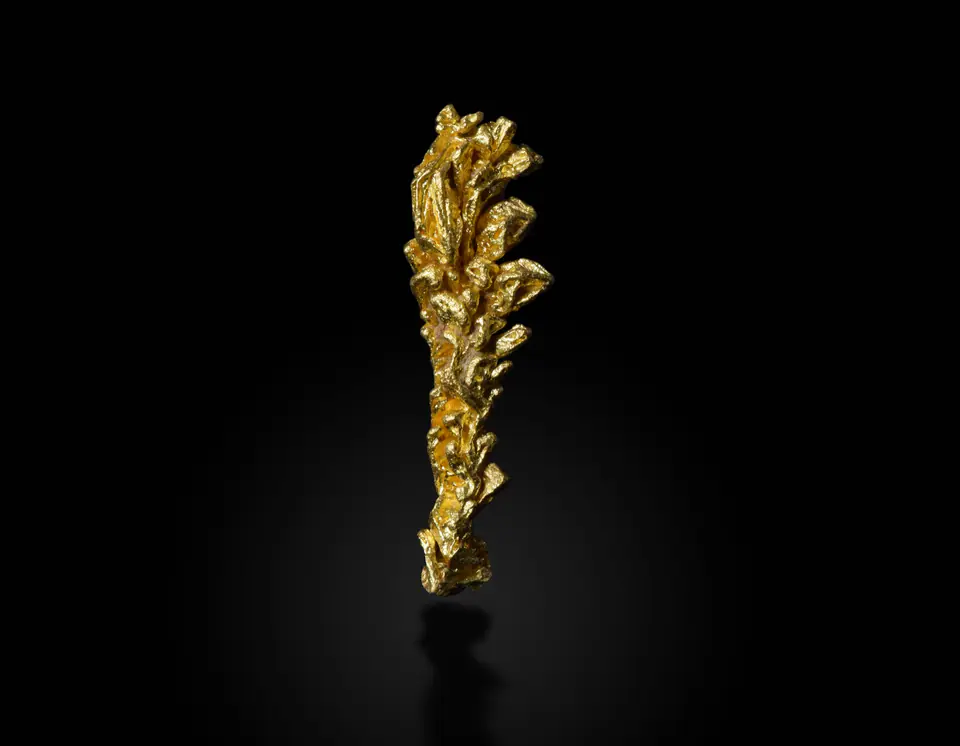
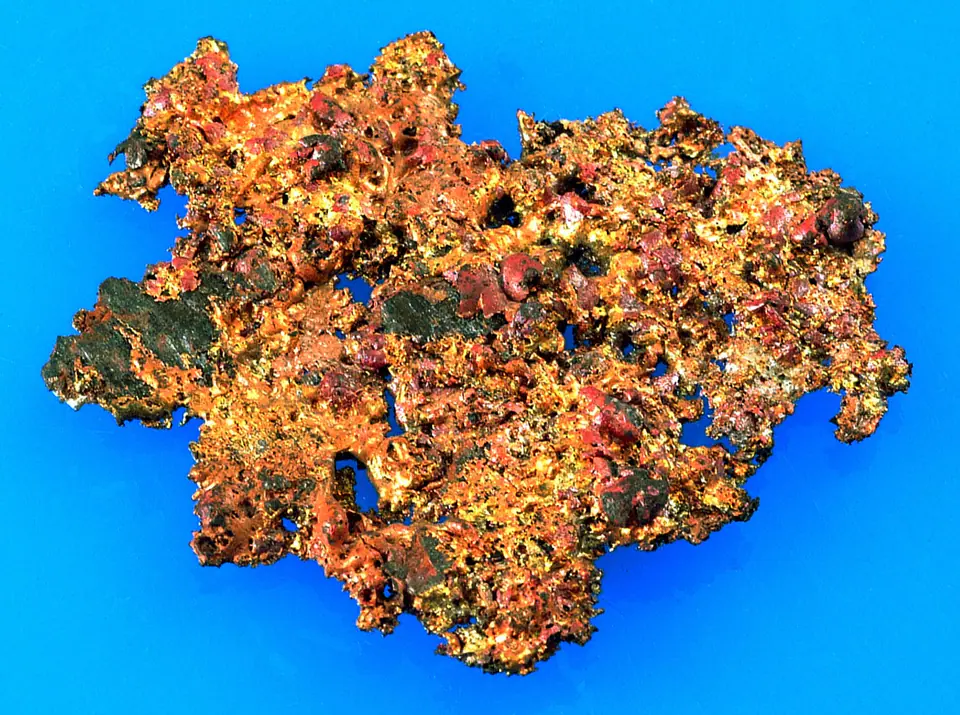
Find a natural fresh surface without damaging the specimen. Gold remains yellow and feels exceptionally heavy; copper is distinctly redder, less dense, and commonly associated with green or blue alteration minerals.
Gold and Copper comparison table
| Property | Gold | Copper | How to use it |
|---|---|---|---|
| Fresh color | Rich metallic yellow | Pinkish copper-red | Fresh color is useful when tarnish and lighting are controlled. |
| Density | Extremely high; specific gravity near 19.3 when pure | High; specific gravity about 8.9 | A comparable gold piece is more than twice as dense as copper. |
| Streak | Metallic yellow | Copper-red | Powder or mark color separates clean material, but avoid testing valuable pieces. |
| Tarnish | Usually remains yellow, though natural alloys and coatings vary | Commonly dark brown, black, or green | Tarnish supports copper but may completely cover the fresh metal. |
A practical identification sequence
- 1
Observe color in shade and neutral daylight.
- 2
Inspect an existing break or edge for untarnished metal.
- 3
Compare heft only between similarly sized compact pieces.
- 4
Use geological context and associated alteration minerals before considering any destructive test.
Where the distinction gets difficult
- Manufactured brass, bronze, copper wire, and gold-colored debris can occur outdoors.
- Do not file, streak, or bend a potentially valuable specimen.
- Appearance cannot establish purity, authenticity, ownership, or value.
Use several independent observations. This comparison supports preliminary field identification, not laboratory confirmation, appraisal, proof of origin, or collecting permission.
Gold vs. copper FAQ
Can copper look gold?
Tarnish, reflected light, and copper alloys can look yellowish, but fresh native copper is characteristically redder than gold.
Are gold and copper both malleable?
Yes. Both deform instead of breaking, so tenacity separates them from sulfides but not from each other.
Can native copper contain gold?
Natural metals may contain minor elements and can occur in the same broad mineral systems, but visual inspection cannot measure their composition.
Authoritative sources
LithoMap wrote this comparison in original language from the physical properties and geological concepts supported by these public scientific references.
- Gold Statistics and Information U.S. Geological Survey
- Minerals and their physical properties U.S. National Park Service
- Mohs Hardness Scale U.S. National Park Service
- Natural Gemstones: Mineral Gemstones U.S. Geological Survey
- Copper Statistics and Information U.S. Geological Survey
Editorial review: September 17, 2026.