

The most useful distinction
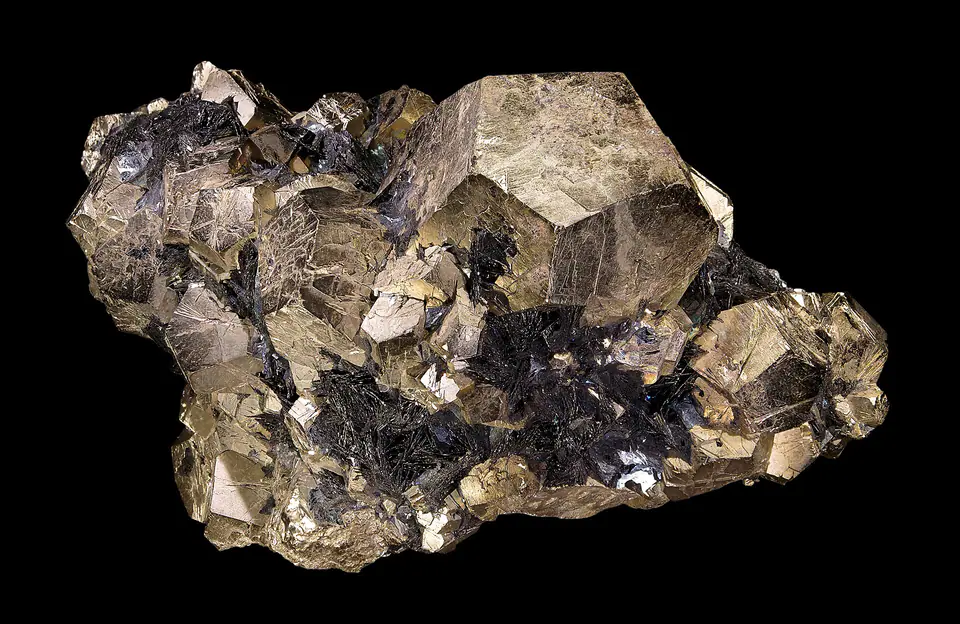
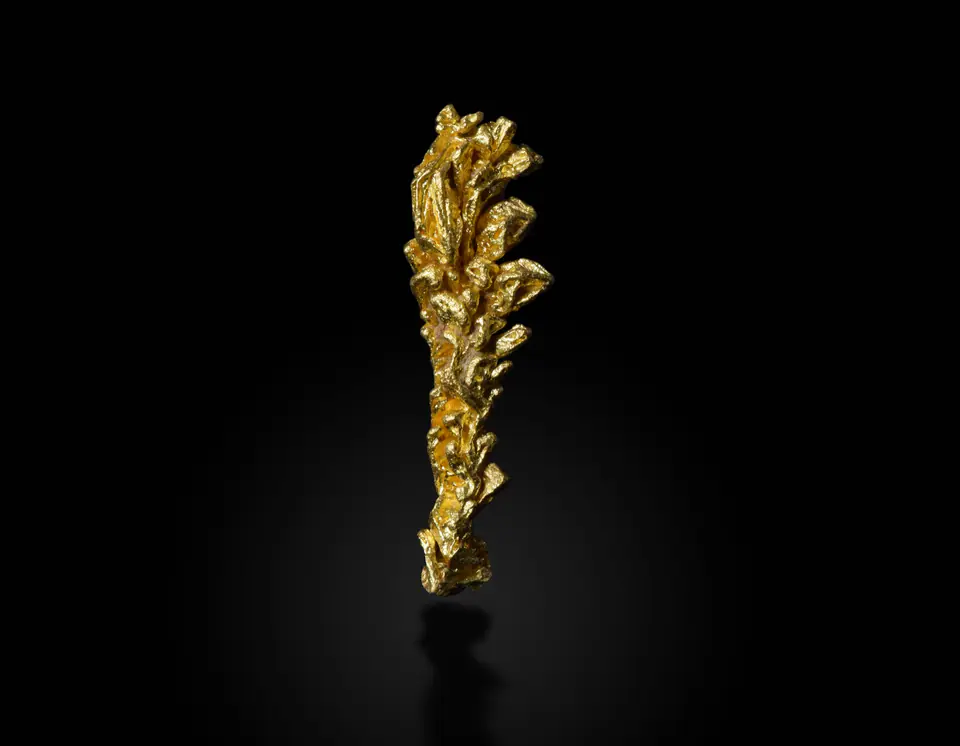
Test behavior, not sparkle. Pyrite scratches glass and crushes or breaks; a loose gold grain is scratched by copper, flattens rather than shattering, and feels unusually heavy for its size.
Pyrite and Gold comparison table
| Property | Pyrite | Gold | How to use it |
|---|---|---|---|
| Hardness | Mohs 6 to 6.5; scratches glass | Mohs 2.5 to 3; scratched by copper or steel | The hardness gap is large and more reliable than color. |
| Tenacity | Brittle; breaks or powders | Malleable and sectile; bends, cuts, or flattens | A lawful test on a loose expendable grain separates the materials decisively. |
| Streak | Greenish-black to brownish-black | Metallic yellow | Powder color remains diagnostic even when surfaces are tarnished. |
| Density and form | Dense compared with common rock but far lighter than gold; cubes and angular grains are common | Exceptionally dense; irregular flakes, wires, and rounded placer grains are common | Form and heft support the mechanical tests. |
A practical identification sequence
- 1
Compare the color in shade as well as direct light.
- 2
Check whether a clean edge scratches glass.
- 3
Use an inconspicuous streak test on expendable material.
- 4
For a loose grain, assess heft and whether gentle pressure deforms or shatters it.
Where the distinction gets difficult
- Do not crush, streak, or scratch a potentially valuable specimen.
- Mica, chalcopyrite, and manufactured metal can complicate a pan concentrate.
- Never use mercury or improvised chemical extraction to test suspected gold.
Use several independent observations. This comparison supports preliminary field identification, not laboratory confirmation, appraisal, proof of origin, or collecting permission.
Pyrite vs. gold FAQ
Does fool’s gold sparkle more than real gold?
Pyrite commonly flashes from many crystal faces, while gold often shows a steadier rich-yellow reflection. Lighting is subjective, so hardness and tenacity are stronger evidence.
Can pyrite occur with gold?
Yes. Some deposits contain both, and microscopic gold can occur in or near sulfides. Seeing pyrite does not prove that recoverable gold is present.
Will gold scratch glass?
Native gold is softer than common glass and should not scratch it. Quartz or another hard grain attached to the specimen can create a misleading scratch.
Authoritative sources
LithoMap wrote this comparison in original language from the physical properties and geological concepts supported by these public scientific references.
- Minerals and their physical properties U.S. National Park Service
- Mohs Hardness Scale U.S. National Park Service
- Natural Gemstones: Mineral Gemstones U.S. Geological Survey
- Gold Statistics and Information U.S. Geological Survey
Editorial review: September 17, 2026.